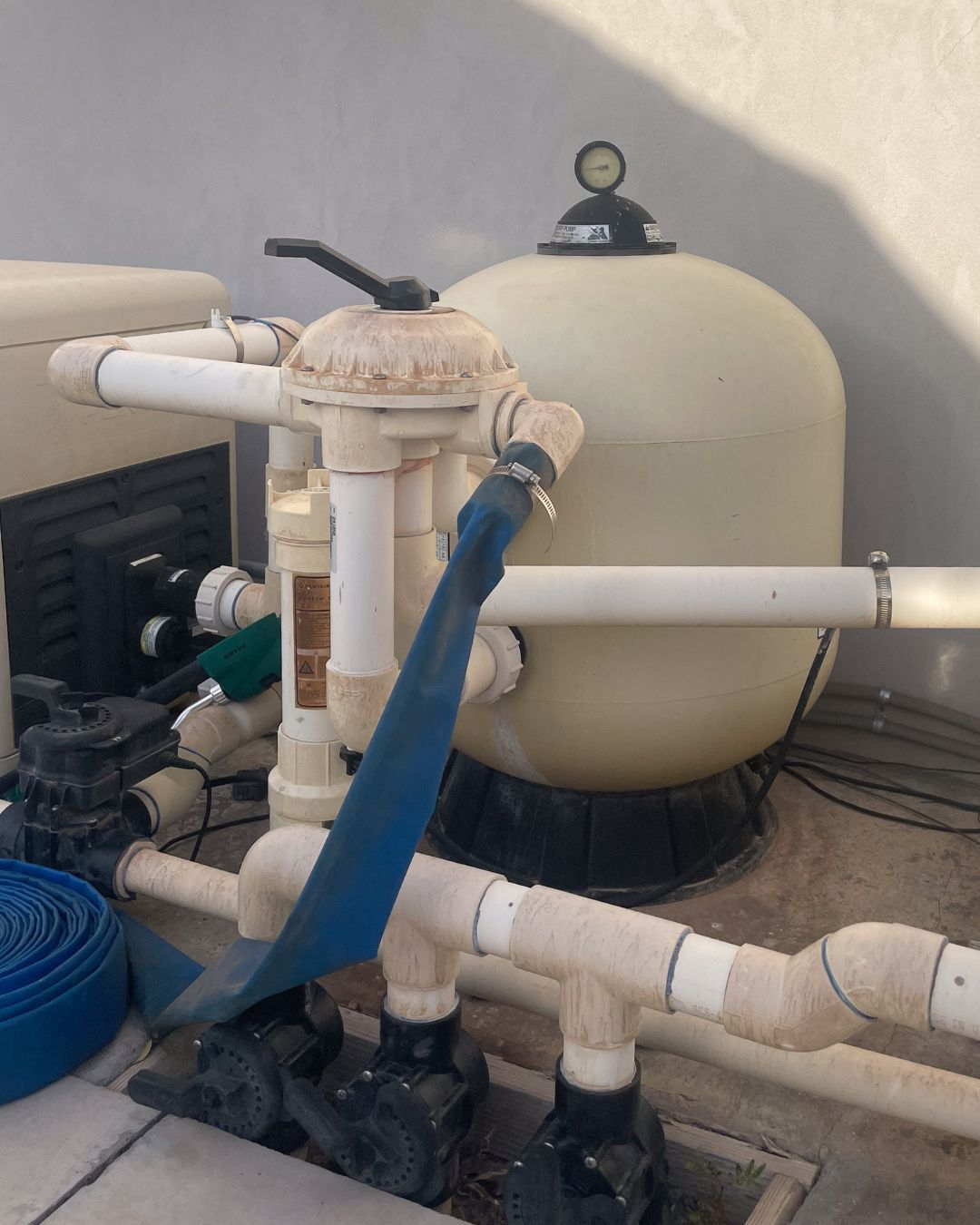
5 Signs Your Pool Equipment Is Struggling in the Heat. Pool equipment doesn't fail all at once... it gives you warning signs first! In a St. George summer, pumps, filters, and heaters work harder than almost anywhere else in the country, and catching a small issue early is almost always the difference between a repair and a full replacement. Here are the five signs to watch for -First, any new noise from your pump; grinding, screeching, or rattling. This definitely means something is wrong and needs attention soon! A bearing that's starting to fail will take the motor with it if you let it run. -Second, hazy water despite good chemistry usually points to a filter running at reduced capacity. In our climate, filters clog faster than manufacturer schedules account for and need cleaning more frequently in summer. -Third, if your motor housing feels too hot to hold your hand on, it's overheating . This is a common problem when equipment sits in direct desert sun all day. A simple shade structure over your equipment pad can significantly extend the life of your pump and motor! -Fourth, water loss beyond about an inch per week goes beyond normal evaporation and may point to a slow leak in the plumbing or shell. Low water also lets your pump run dry, which damages seals and the impeller fast. -Fifth, a quietly rising energy bill is often a pump struggling to move water through a clogged filter or a failing motor drawing more power than it should. If you're hearing unusual sounds, seeing water pool around your equipment, or noticing the pump shutting off on its own during the day, don't wait to see if it resolves. Any of those caught early is just a repair... left too long, most become replacements. Schedule a complimentary pool analysis with Heatwave Pools & Spas to have your equipment monitored and pool chemistry evaluated free of charge. Give us a call or schedule here .
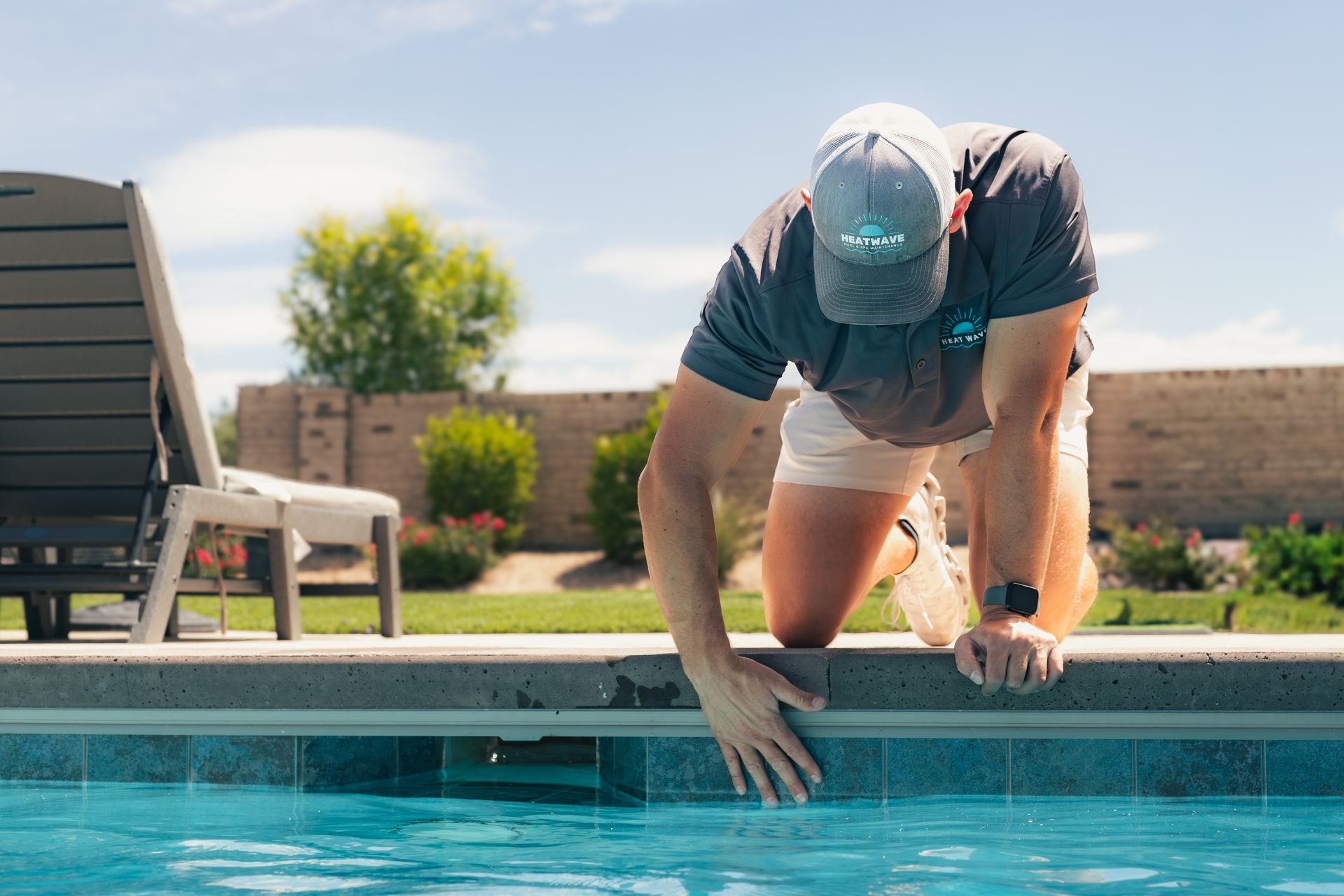
Why Professional Pool Service Saves You Time and Money in Southern Utah Southern Utah's heat is brutal on pool chemistry. Between the intense UV at elevation, hard Washington County water, and temperatures that regularly push past 110°F, pools here need more attention than almost anywhere else in the country. What takes a few minutes of maintenance in a milder climate can turn into a significant problem in a matter of days here and most homeowners don't catch it until the water's already green! That's where a professional service pays for itself. A trained technician catches small issues; a stabilizer level creeping too high, a filter running at reduced capacity, early signs of algae... before they become expensive ones. A $65 weekly service visit is a fraction of the $500+ remediation bill that follows two weeks of neglected chemistry. Beyond the cost, you're also buying back hours every week that you'd otherwise spend testing, adjusting, buying chemicals, and troubleshooting when something doesn't look right. For Heatwave Pool & Spa customers across St. George, Ivins, Hurricane, and Washington City, the math is simple: consistent professional service keeps your pool swimmable all summer, extends the life of your equipment, and almost always costs less in the long run than the catch-up work that comes from going it alone in our climate. If you're ready to stop thinking about your pool and start enjoying it, we'd love to help. Schedule a complimentary pool consultation visit or give us a call .
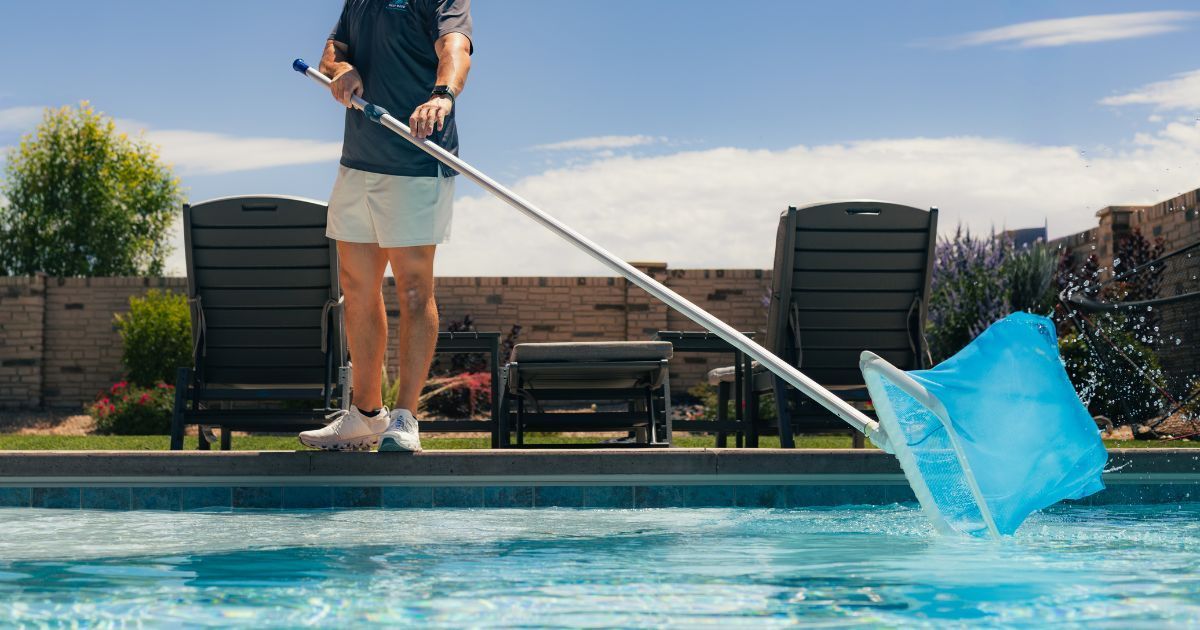
Most pool care advice assumes average UV exposure. St. George is anything but average and your chemical routine should reflect that. If you've ever followed the chemical instructions on a bag of pool shock, tested two days later, and found your chlorine nearly gone... you're not doing it wrong. You're just in St. George! Southern Utah's combination of high elevation, desert latitude, and minimal cloud cover creates UV exposure conditions that are genuinely different from most of the country, and your pool chemistry needs to account for it. UV radiation is the primary driver of chlorine degradation in outdoor pools. The stronger and more prolonged the UV exposure, the faster chlorine burns off. Southern Utah sits at a higher elevation, lower latitude, and gets more annual sunshine hours than most U.S. cities. Stacking three factors that all increase UV intensity at once! A pool that holds chlorine for five days in Minnesota may lose it in two days here. How UV actually destroys chlorine Chlorine's job is to sanitize your pool; killing bacteria, algae, and other contaminants. But free chlorine (the active form that does the work) is unstable when exposed to sunlight. UV radiation breaks down hypochlorous acid, the active sanitizing molecule in chlorine into inactive byproducts that no longer protect your pool. In a pool without any UV protection, as much as 75–90% of free chlorine can be destroyed within two hours of direct peak sunlight . In practice, your pool has some stabilizer buffering that effect but in southern Utah's conditions, the burn-off rate is still dramatically higher than most pool care guides account for. Cyanuric acid: the chemical that changes everything The primary tool for managing UV-driven chlorine loss is cyanuric acid! Commonly called a pool stabilizer or conditioner. It works by forming a temporary bond with chlorine molecules that shields them from UV degradation without preventing them from sanitizing the water. Think of cyanuric acid as sunscreen for your chlorine. Without it, free chlorine exposed to our summer UV can burn off in hours. With it at the right level, chlorine stays active for days instead of hours, dramatically reducing how much chemical you need to add and how often. The ideal range for southern Utah pools is 40–80 ppm of cyanuric acid . Too little and your chlorine burns off before it can work. Too much — above 100 ppm — and it actually starts reducing chlorine's effectiveness, a problem known as "chlorine lock." If you're adding chlorine consistently but still struggling to hold levels, or if your stabilizer has crept above 80–100 ppm over the season, it's worth having a professional water analysis done. Both issues are straightforward to correct, but they require knowing your exact numbers rather than guessing, and a full panel picks up things basic test strips miss. Schedule a complimentary pool analysis with heatwave pools and spas by calling or schedule here .
Southern Utah 4th of July Pool Party Checklist
Salt Vs. Chlorine? Let's break down which is best for the Southern Utah Climate.
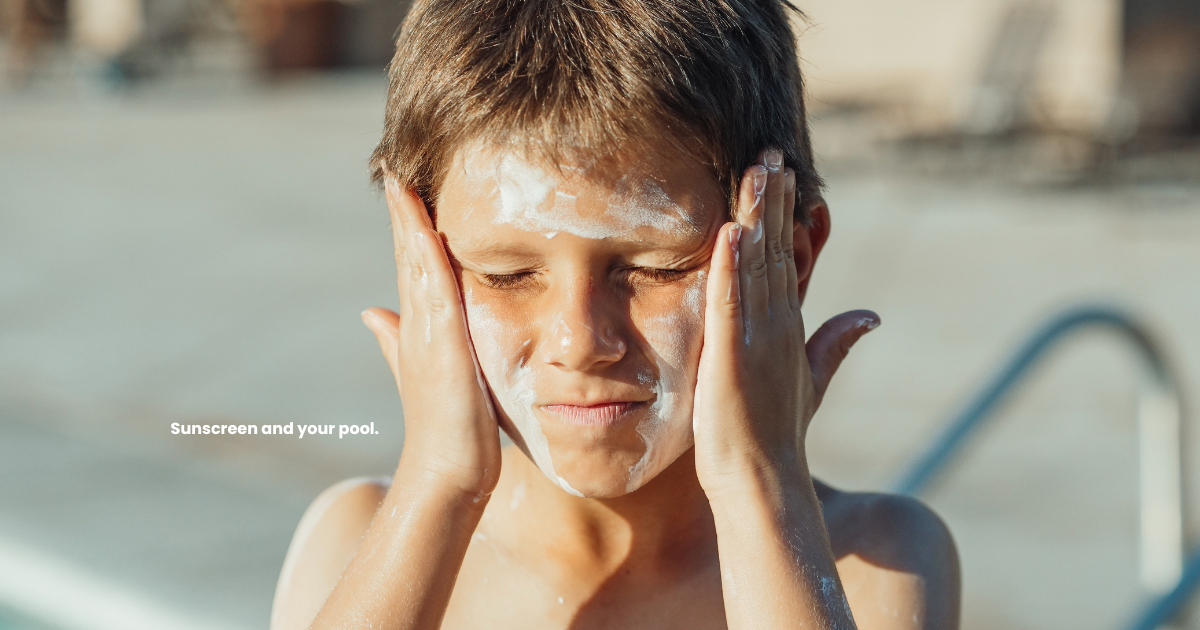
It's not just sunscreen. Here's everything going into your pool on a busy summer day and what it does to your chemistry. You slather on sunscreen, hop in the pool, and an hour later your water looks a little hazy or your chlorine reading is lower than it should be. Is sunscreen actually the problem? Sort of... but it's only part of a bigger story. Every swimmer brings a small cocktail of oils, lotions, and bodily byproducts into the water, and on a busy summer day in St. George that cocktail adds up fast. What's actually going into the water? Think about everything on a swimmer's skin before they jump in: sunscreen, body lotion, deodorant, hair products, makeup, and just plain sweat and skin cells. None of it disappears, it all goes into the pool, and your filtration and chemical system has to deal with it. What this actually does to your pool. -Cloudy or hazy water: Oils and organic residue scatter light and can overwhelm filtration, especially with heavy bather load on hot days. -Greasy ring at the waterline: Sunscreen oils and body oils float and accumulate where water meets tile. A telltale sign of high lotion/oil load! -Strong "chlorine" smell: Actually chloramines forming as chlorine reacts with sweat and sunscreen byproducts, a sign chlorine is overworked, not overdosed. -Chlorine reads low despite recent dosing: Heavy bather load consumes free chlorine faster than usual, especially combined with our already-fast UV burn-off. -Algae appearing despite normal chlorine levels: Phosphates from sunscreen and lotion are feeding algae growth even when chlorine looks adequate on a test strip. FUN FACT- A pool party with 15 guests can consume more chlorine in an afternoon than a week of normal swimming. Why this matters more here than almost anywhere... In most climates, this is a minor seasonal nuisance. In southern Utah, it compounds with everything else working against your pool in summer: -UV index is among the highest in the country for much of the summer. Families reapply sunscreen constantly which means more product entering the water per swim session than in milder climates. -High elevation UV degrades chlorine quickly on its own. Add the extra chlorine demand from sunscreen and sweat byproducts, and your margin for error shrinks fast. -Phosphates and organic material break down and feed algae faster in 85–90°F water than in a cooler pool, so the same sunscreen load causes more trouble here. -A pool that's swimmable nine months a year naturally accumulates more sunscreen and lotion residue over a season than a pool used for three summer months elsewhere. If your pool is consistently hazy, has a persistent waterline ring no amount of brushing seems to fix, or keeps trending toward algae despite chlorine and pH looking fine, it's worth getting a full water panel rather than guessing. Phosphate and chloramine levels require testing most home kits don't cover well, and an enzyme or clarifier treatment dosed incorrectly can be a wasted expense. Schedule a complimentary pool analysis with us here and get your pool back this summer!
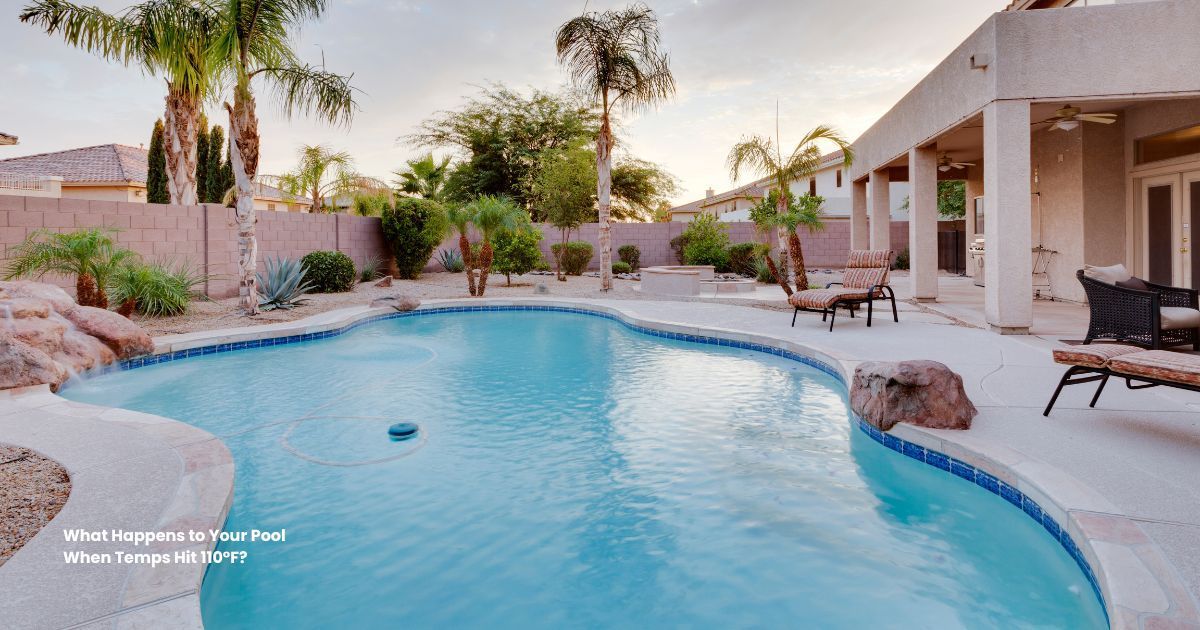
What Happens to Your Southern Utah Pool When Temps Hit 110°F? Most pool care advice was written for Phoenix. Or Florida. Or somewhere reasonable. St. George, Ivins, and Hurricane sit at a different level… we're talking 110°F ambient air, intense high-desert UV, and months where your pool water can push 90°F on its own! That combination does things to pool chemistry and equipment that most homeowners don't expect until it's too late. Here's a straightforward breakdown of the five biggest things that go wrong when the heat peaks and the simple actions that keep your pool swimmable all summer long. The five things that go wrong in extreme heat Chlorine burns off fast- UV and heat destroy free chlorine at an accelerated rate. A pool that needed 3 ppm on Monday may test near zero by Wednesday, with no visible sign anything is wrong. Evaporation spikes- A St. George pool can lose 1.5–2 inches of water per week in peak summer. As water evaporates, the minerals and chemicals left behind become concentrated and unbalanced. Algae blooms overnight- Warm water, low chlorine, and high phosphate loads (from sunscreen and sweat) are the perfect recipe. An algae bloom can go from invisible to visibly green in 24–36 hours. Equipment runs harder- Pumps and filters work overtime in hot weather. Seals can crack, O-rings dry out, and motors overheat , especially if the equipment is in direct sun without shade. pH climbs with temperature- Warmer water naturally drives pH upward. High pH makes chlorine far less effective! Even when the chlorine level looks fine on a test strip. This is one of the most common reasons pools go green despite regular chemical additions. These problems happen in every hot climate. But southern Utah layers on two extra challenges that most pool guides don't address: Elevation + UV intensity. St. George sits between 2,700 and 3,000 feet. Higher elevation means less atmospheric filtering of UV radiation. UV is the primary driver of chlorine photodegradation so your chlorine is burning off faster here than it would at sea level, even at the same temperature. Hard water. Washington County water has some of the highest calcium hardness levels in the state. When water evaporates rapidly in summer, it leaves calcium behind. Over a hot season, you can develop heavy scaling on surfaces and tile, clogged filters, and cloudy water that won't clear no matter how much you shock it. "A pool that tested fine on Friday can be a green swamp by Sunday if the heat spikes and the chlorine runs out." Your summer heat prep checklist None of this is catastrophic if you stay ahead of it. Here's what we recommend for local pool owners heading into the hot stretch: Chemistry Test water chemistry at least twice a week from June through August. Not once a week like the off-season. Keep free chlorine between 3–5 ppm (higher end than the standard 1–3 ppm to account for rapid burn-off). Add a stabilizer (cyanuric acid) to protect chlorine from UV — target 40–80 ppm. If yours is already high, partial drain and refill may help. Check pH every test; target 7.2–7.4 and expect it to drift upward in heat. Test calcium hardness monthly and use a sequestering agent to prevent scale when levels are high Water level & evaporation Top off the pool weekly. Evaporation in peak summer can drop water levels enough to cavitate your pump. Consider a liquid solar cover or a physical cover when the pool isn't in use; both dramatically cut evaporation losses! If you use a physical cover, remove it during cooler parts of the day to prevent heat buildup in the water. Equipment Run your pump and filter during the coolest hours (early morning and late evening) to reduce motor heat stress and lower electricity costs. Shade your equipment pad if possible, a simple roof overhang or shade sail can significantly extend pump and filter life. Inspect O-rings and seals at the start of summer; the heat and UV from the previous year dry them out. Clean your filter more frequently. *Homeowners who do a great job maintaining chemistry in spring let things slide when temperatures peak in July… ironically, the exact time when the pool needs more attention, not less. Set a twice-weekly reminder on your phone for chemical checks from June 15 through around August 31. When to call in a professional If you're testing twice a week and still struggling to hold chlorine, or if your water is persistently cloudy despite correct chemistry, the issue is likely one of a few things: a high cyanuric acid level that's "locking up" your chlorine, a phosphate load that's feeding algae growth faster than chlorine can kill it, or a filtration problem. All three require a proper water analysis to diagnose… test strips won't get there. We offer complimentary water testing with any service call. A 10-minute test at the start of summer can prevent a $400–$600 algae cleanup later on. Give us a call or text 435-421-9670 to schedule a complimentary pool analysis!

Keep your kids safe and swimming all spring and summer long with these Southern Utah Pool Safety Tips! Living in Southern Utah means sunshine, warm weather, and a lot of time spent around the pool. Whether it’s your backyard oasis or a neighborhood pool, safety should always come first—especially when kids are involved. As a local pool service company, we’ve seen firsthand how quickly small issues can turn into dangerous situations. The good news? A few simple habits can make a huge difference. 1. Never Leave Kids Unattended, Not Even for a Minute! This might sound obvious, but it’s the most important rule. Drowning is often silent and can happen in seconds. Always have a designated adult watching the pool , especially during parties or family gatherings. 2. Install Barriers and Fencing In Southern Utah, many homes have open backyard layouts, which can be risky for young kids. A proper pool safety setup should include: A self-closing, self-latching gate A fence at least 4 feet high or a reliable pool cover (ask us about or recommendations!) Locked access points when the pool isn’t in use This is one of the most effective ways to prevent accidents. 3. Be Extra Careful in Southern Utah Conditions Our environment adds some unique risks: Extreme heat can lead to dehydration quickly Wind and dust can reduce visibility in the water Uncovered pools can collect debris, making hazards harder to see Make it a habit to: Keep kids hydrated Check water clarity before swimming Remove debris regularly 4. Maintain Proper Water Chemistry This is one a lot of people overlook. Unbalanced water can cause: Skin and eye irritation Bacteria growth Cloudy water (which makes it harder to see swimmers underwater) Keeping your pool clean and clear isn’t just about looks, it’s about safety. Final Thoughts Pools are one of the best parts of living in Southern Utah, but they come with real responsibility. The goal isn’t to make things stressful... it’s to create a safe environment where your family can relax and enjoy the water with confidence! Want Help Keeping Your Pool Safe and Clean? At Heatwave Pools & Spas, we don’t just clean pools! If you’d like a complimentary professional pool analysis , we’ll check your water, equipment, and overall safety so you can have peace of mind. Reach out today to get scheduled.
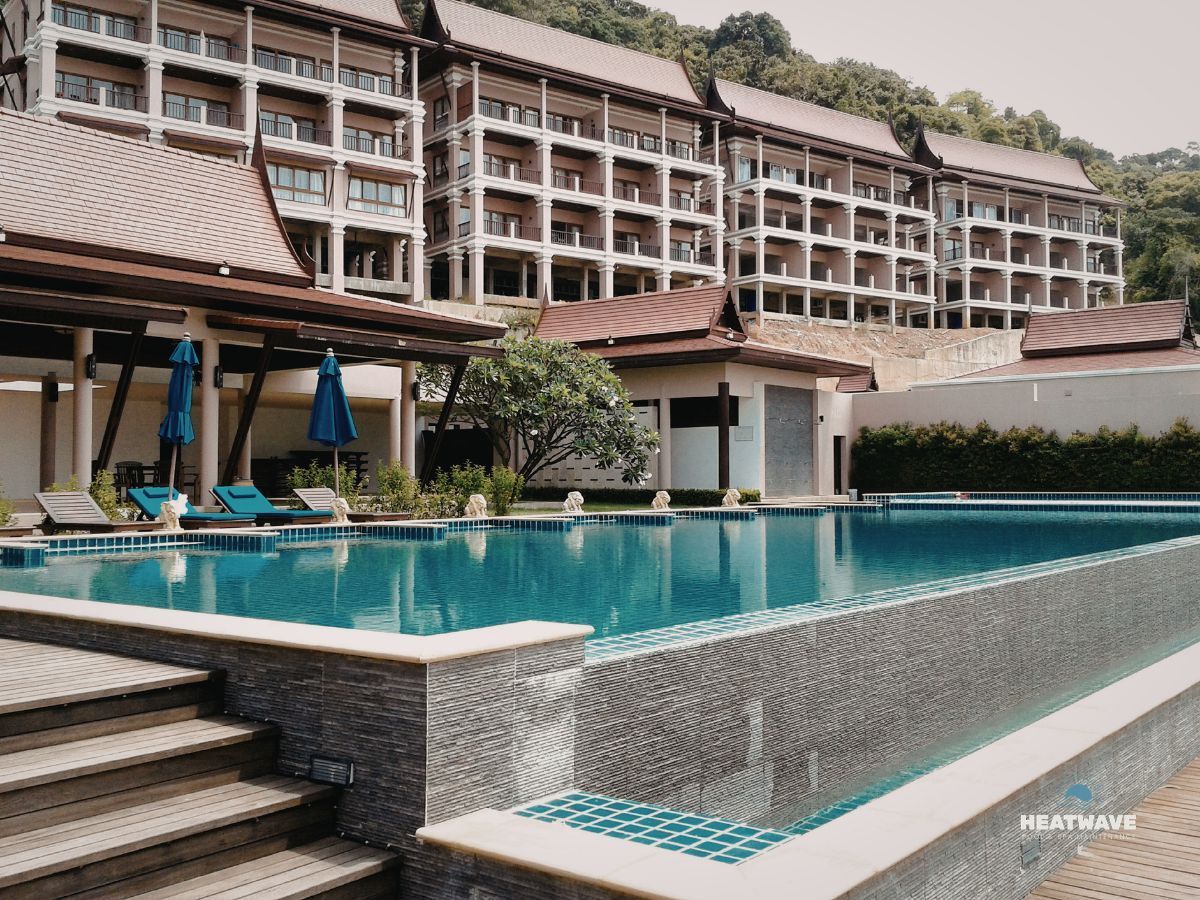
Residential vs. Commercial Pool Care: What’s the Difference? When it comes to pool maintenance, not all pools are created equal. Residential and commercial pools may look similar on the surface, but the level of care, regulations, and upkeep required are very different. Understanding these differences can help you choose the right service and avoid costly issues down the line. 1. Usage & Wear The biggest difference comes down to how often the pool is used. Residential pools are typically used by a single family or small group, meaning less daily wear and tear. Commercial pools (hotels, apartments, community centers) see high traffic daily, which leads to faster buildup of debris, bacteria, and chemical imbalance. More usage = more frequent and detailed maintenance. 2. Health & Safety Regulations Commercial pools must follow strict health and safety standards to protect the public. Residential pools: No formal regulations beyond general safety and cleanliness. Commercial pools: Must meet local health codes, pass inspections, and maintain proper chemical levels at all times. This is where professional expertise really matters! Especially working with a CPO-certified technician who understands compliance. 3. Frequency of Service Because of the higher demand and stricter standards: Residential pools are typically serviced once per week. Commercial pools often require multiple visits per week—or even daily checks. Skipping service on a commercial pool can quickly lead to unsafe conditions or even temporary closure. 4. Equipment & System Complexity Commercial pools usually have larger and more complex systems, including: High-capacity pumps and filters Automated chemical feeders Advanced circulation systems Residential pools are generally simpler, making them easier to maintain… but still require consistent care to stay clean and safe! 5. Liability & Responsibility With commercial pools, there’s more at stake. Property managers are responsible for guest safety and compliance Improper maintenance can lead to health risks, liability issues, or fines That’s why having a reliable, professional pool service is essential for commercial properties. So… Which Service Do You Need? Whether you own a backyard pool or manage a commercial property, the goal is the same: Clean, safe, and stress-free swimming
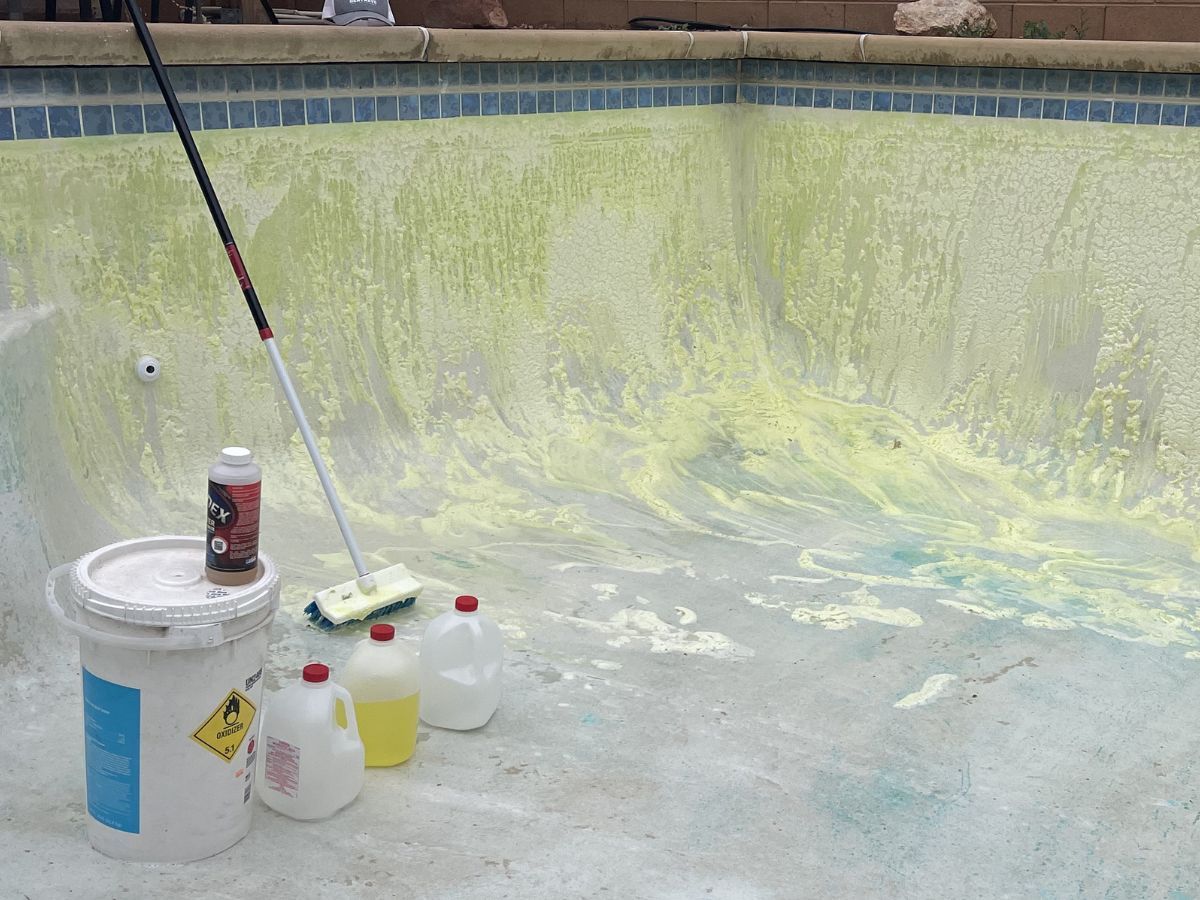
What Is an Acid Wash and When Does Your Pool Need One? If your pool is looking stained, discolored, or just won’t come clean no matter how much you brush, it might be time for an acid wash. In St. George and Southern Utah, the combination of heat, minerals, and heavy pool use can take a toll on your pool’s surface over time. An acid wash is a powerful way to restore your pool and bring it back to a like-new finish. What Is an Acid Wash? An acid wash is a deep cleaning process where a diluted acid solution is applied to the surface of your pool to remove: Stubborn algae stains Mineral deposits Calcium buildup Discoloration and rough patches This process strips away a very thin layer of the pool’s surface, revealing a fresh, clean layer underneath. Signs Your Pool May Need an Acid Wash Not every pool needs an acid wash, but here are some common signs: Stains that won’t come off with brushing or chemicals Yellow, green, or dark spots on plaster Rough or chalky surfaces Long-term discoloration from minerals or algae A pool that looks dull or aged These issues are especially common in Southern Utah, where hard water and high temperatures can accelerate buildup. Why You Shouldn’t DIY an Acid Wash While it might be tempting to try it yourself, acid washing is not a typical DIY project. It involves strong chemicals and precise timing. Improper acid washing can: Damage your pool surface Cause uneven coloring or streaking Shorten the lifespan of your plaster Be dangerous without proper safety equipment That’s why hiring a professional for acid washing in St. George is the safest and most effective option. Benefits of Professional Acid Washing Working with a professional pool service ensures your pool is treated correctly and safely. A professional will: Properly drain and prep your pool Use the correct acid mixture and technique Evenly clean the entire surface Protect your pool from damage The result is a pool that looks brighter, cleaner, and refreshed, often in just a day. How Often Should You Acid Wash a Pool? Acid washing is not something you should do frequently. Because it removes a thin layer of plaster, it’s typically only recommended every 3–5 years, depending on your pool’s condition. Routine pool maintenance in Southern Uta h can help extend the time between acid washes and keep your pool looking its best. Restore Your Pool with Heatwave Pools & Spas If your pool is looking worn, stained, or just not as bright as it used to be, an acid wash might be the solution. At Heatwave Pools & Spas, we provide professional acid washing, pool cleaning, and maintenance in St. George and Southern Utah to keep your pool in top condition year-round. Ready to refresh your pool? Contact Heatwave Pools & Spas today to learn more about our acid wash services and get your pool looking like new again.