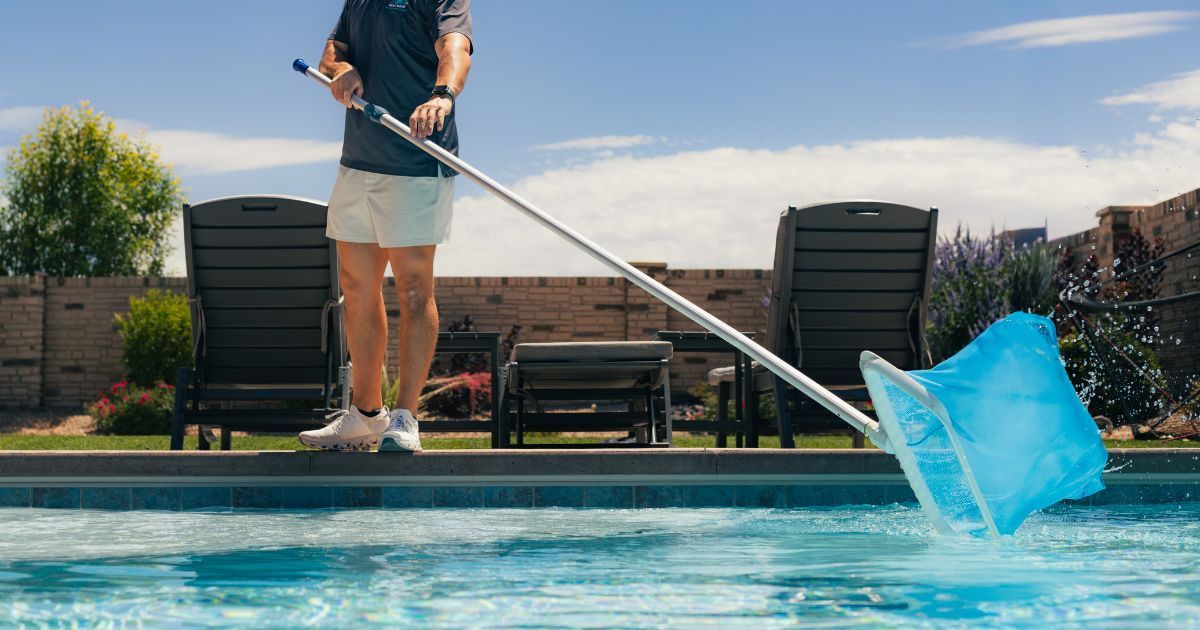
Unhappy With Your Pool Service? Switch to Heatwave Pools & Spas. Tired of missed visits, poor communication, or recurring pool problems? See when it may be time to switch pool service providers in Southern Utah. Owning a pool should be enjoyable. You should not have to wonder whether your pool was serviced, why the water is cloudy again, or if anyone will respond when equipment stops working. If you are unhappy with your current pool service provider, you are not stuck. Switching to a company that communicates clearly and pays attention to your pool can make ownership much easier. Signs It May Be Time to Switch Pool Companies Every pool has an occasional problem. But when the same frustrations keep happening, it may be time to look for a better fit. Common warning signs include: Missed or inconsistent service visits Cloudy, green, or poorly balanced water Dirty baskets, tile, steps, or waterline after service Recurring problems that are never fully explained or corrected Little or no communication from your technician Surprise charges or unclear invoices Difficulty getting help when equipment needs attention A dependable pool company should do more than quickly add chemicals and leave. Your provider should watch for developing problems, explain what your pool needs, and help protect your equipment over time. What Good Pool Service Should Feel Like Good pool service gives you confidence. You should know that your pool is being cared for and that someone will communicate with you if something is wrong. At Heatwave Pools & Spas, our goal is simple: provide dependable pool care, straightforward communication, and practical solutions for Southern Utah pool owners. We help with: Routine residential and commercial pool service Water testing and chemical balancing Cleaning and equipment checks Filter and salt-cell cleaning Pool and spa equipment repairs Troubleshooting recurring water or equipment problems Whether your current provider has stopped meeting your expectations or you simply want a second opinion, we can take a look at your pool and help you understand your options! Switching Pool Service Providers Is Easier Than You Think You do not need to wait until your pool turns green or expensive equipment fails. A smooth transition starts with reviewing the pool's current water condition, equipment, and service needs. From there, a clear service plan can be created for your property. We will not pressure you or make the process complicated. We will give you an honest assessment so you can decide what is best for your pool. Looking for a Better Pool Company in Southern Utah? If you are tired of missed details, poor communication, or problems that keep coming back, let us take a look. Heatwave Pools & Spas serves pool owners throughout St. George, Washington, Hurricane, Ivins, Santa Clara, and nearby Southern Utah communities. Request your complimentary pool analysis today. We will check the water and equipment, discuss any concerns, and show you what dependable pool care can look like. Schedule here or give us a call. We look forward to hearing from you!
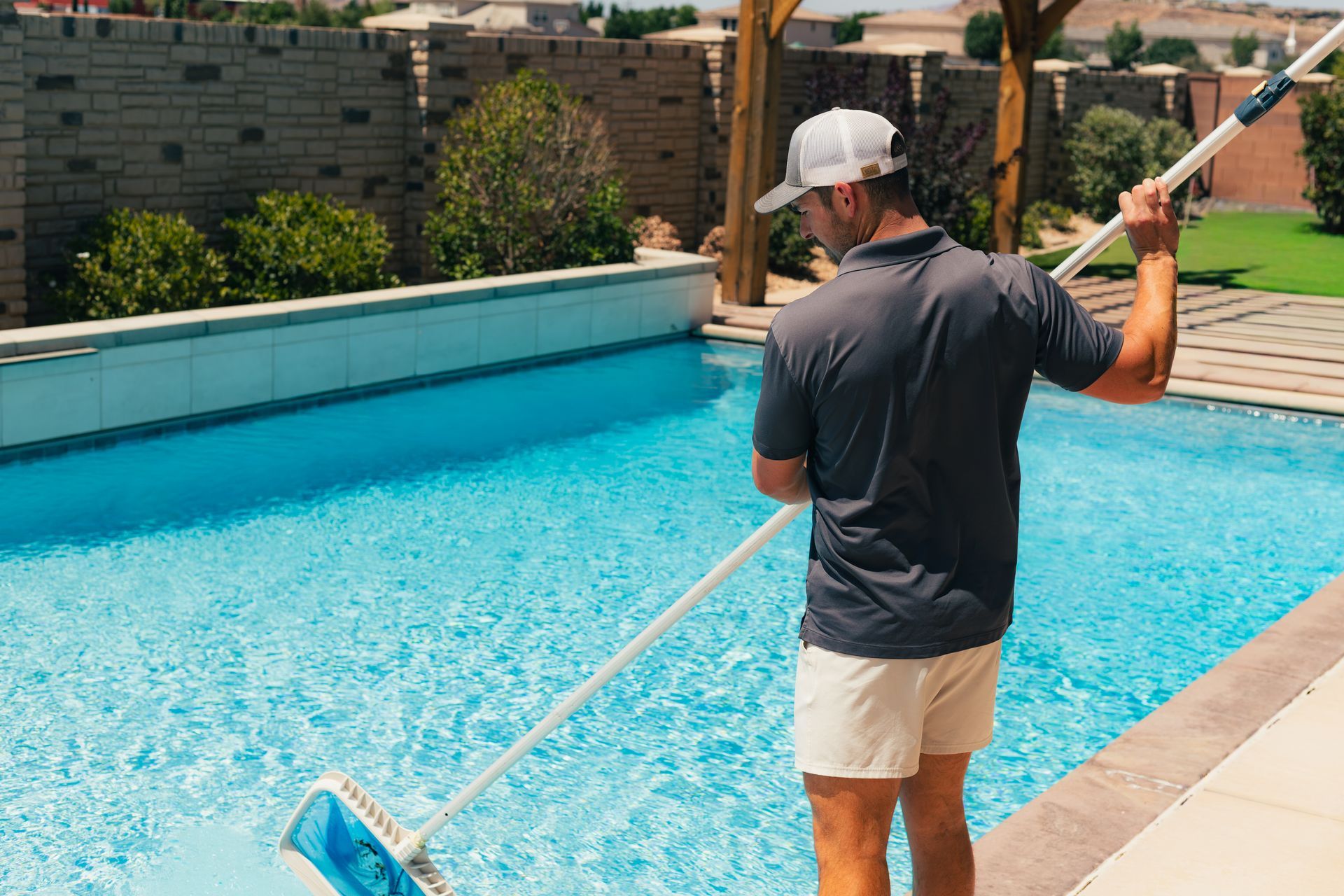
What Makes Pool Care Different in Southern Utah Southern Utah isn't a typical pool climate, and treating it like one is the fastest way to end up with cloudy water, scaling, or a liner that fails years early. Between 100-plus degree summers, intense UV exposure, and the extremely hard, mineral-heavy water that comes out of most taps in Washington County, pools here lose sanitizer faster, evaporate at a higher rate, and build up calcium scale on tile and equipment much quicker than pools in milder or softer-water regions. A maintenance schedule copied from a generic online guide or a national pool chain rarely accounts for these local conditions, which is why so many homeowners end up fighting the same problems on repeat. At Heatwave Pool, our routines are built around what actually happens to a pool in St. George, Washington, Hurricane, and the surrounding area! NOT a one size fits all checklist. That means adjusting chemical dosing for our hard water instead of just following a bottle label, watching sanitizer levels more closely during peak heat when demand spikes, and timing equipment checks around the summer monsoon season when dust, wind, and sudden storms can throw a system off balance overnight. It also means knowing which equipment brands and setups hold up best against our sun and water chemistry, because what performs well in a coastal climate doesn't always survive a Southern Utah summer. That local knowledge is the difference between a pool that just gets by and one that stays clear, balanced, and low maintenance all season. If you're dealing with recurring scale, chemical levels that won't hold, or a system that seems to need constant attention, it's usually a sign the maintenance plan wasn't built for this climate to begin with. We're happy to take a look and show you what a Southern Utah specific approach looks like for your pool. Schedule your complimentary pool analysis here or give us a call . We look forward to hearing from you!
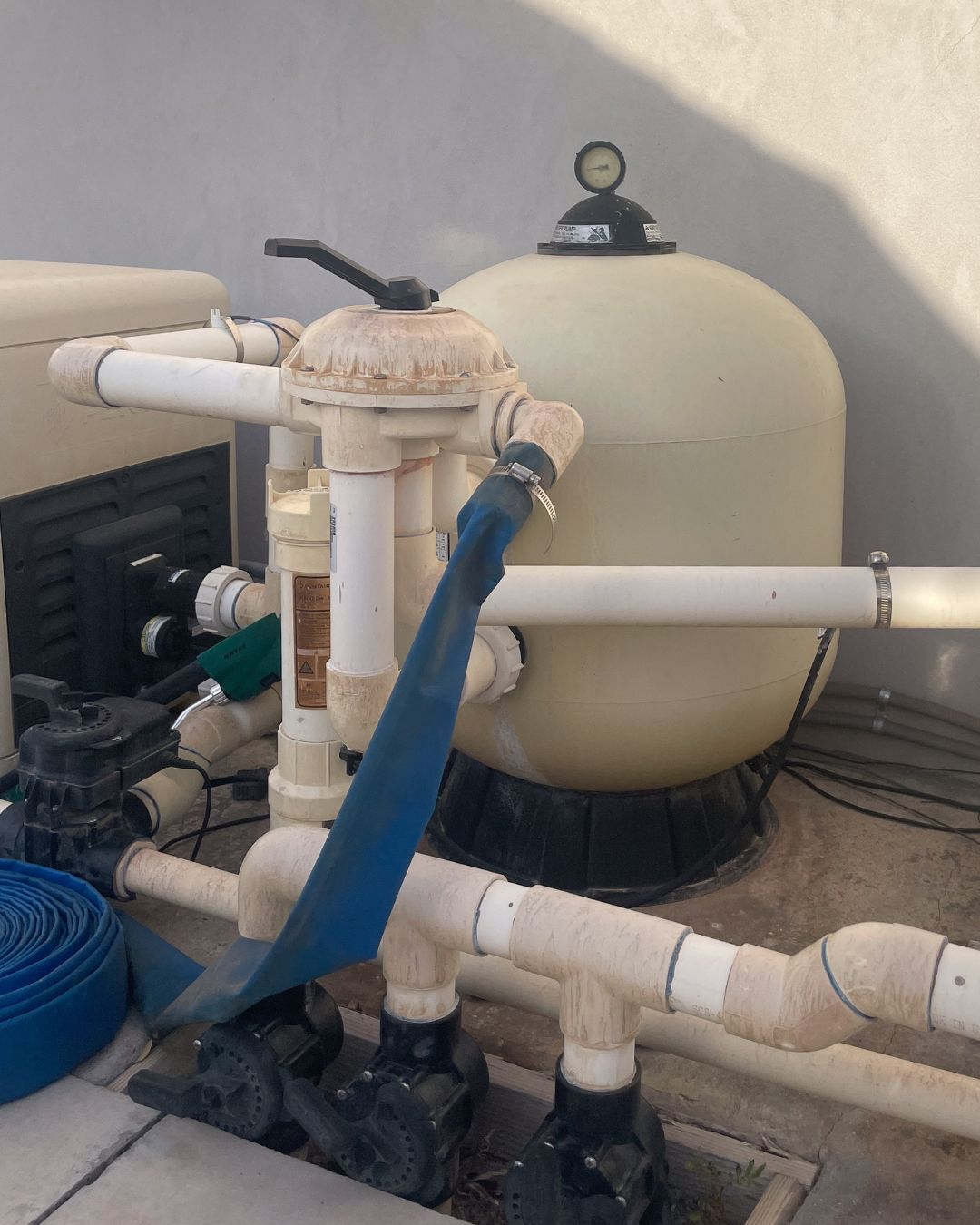
5 Signs Your Pool Equipment Is Struggling in the Heat. Pool equipment doesn't fail all at once... it gives you warning signs first! In a St. George summer, pumps, filters, and heaters work harder than almost anywhere else in the country, and catching a small issue early is almost always the difference between a repair and a full replacement. Here are the five signs to watch for -First, any new noise from your pump; grinding, screeching, or rattling. This definitely means something is wrong and needs attention soon! A bearing that's starting to fail will take the motor with it if you let it run. -Second, hazy water despite good chemistry usually points to a filter running at reduced capacity. In our climate, filters clog faster than manufacturer schedules account for and need cleaning more frequently in summer. -Third, if your motor housing feels too hot to hold your hand on, it's overheating . This is a common problem when equipment sits in direct desert sun all day. A simple shade structure over your equipment pad can significantly extend the life of your pump and motor! -Fourth, water loss beyond about an inch per week goes beyond normal evaporation and may point to a slow leak in the plumbing or shell. Low water also lets your pump run dry, which damages seals and the impeller fast. -Fifth, a quietly rising energy bill is often a pump struggling to move water through a clogged filter or a failing motor drawing more power than it should. If you're hearing unusual sounds, seeing water pool around your equipment, or noticing the pump shutting off on its own during the day, don't wait to see if it resolves. Any of those caught early is just a repair... left too long, most become replacements. Schedule a complimentary pool analysis with Heatwave Pools & Spas to have your equipment monitored and pool chemistry evaluated free of charge. Give us a call or schedule here .
Why Professional Pool Service Saves You Time and Money in Southern Utah Southern Utah's heat is brutal on pool chemistry. Between the intense UV at elevation, hard Washington County water, and temperatures that regularly push past 110°F, pools here need more attention than almost anywhere else in the country. What takes a few minutes of maintenance in a milder climate can turn into a significant problem in a matter of days here and most homeowners don't catch it until the water's already green! That's where a professional service pays for itself. A trained technician catches small issues; a stabilizer level creeping too high, a filter running at reduced capacity, early signs of algae... before they become expensive ones. A $65 weekly service visit is a fraction of the $500+ remediation bill that follows two weeks of neglected chemistry. Beyond the cost, you're also buying back hours every week that you'd otherwise spend testing, adjusting, buying chemicals, and troubleshooting when something doesn't look right. For Heatwave Pool & Spa customers across St. George, Ivins, Hurricane, and Washington City, the math is simple: consistent professional service keeps your pool swimmable all summer, extends the life of your equipment, and almost always costs less in the long run than the catch-up work that comes from going it alone in our climate. If you're ready to stop thinking about your pool and start enjoying it, we'd love to help. Schedule a complimentary pool consultation visit or give us a call .
Southern Utah 4th of July Pool Party Checklist
Salt Vs. Chlorine? Let's break down which is best for the Southern Utah Climate.
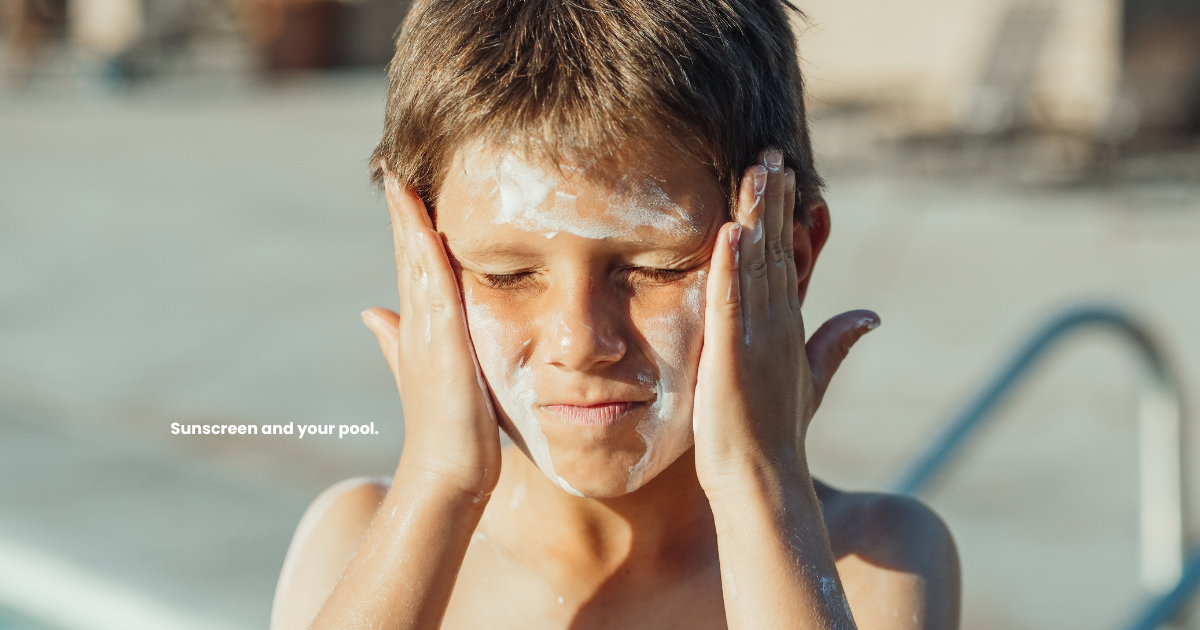
It's not just sunscreen. Here's everything going into your pool on a busy summer day and what it does to your chemistry. You slather on sunscreen, hop in the pool, and an hour later your water looks a little hazy or your chlorine reading is lower than it should be. Is sunscreen actually the problem? Sort of... but it's only part of a bigger story. Every swimmer brings a small cocktail of oils, lotions, and bodily byproducts into the water, and on a busy summer day in St. George that cocktail adds up fast. What's actually going into the water? Think about everything on a swimmer's skin before they jump in: sunscreen, body lotion, deodorant, hair products, makeup, and just plain sweat and skin cells. None of it disappears, it all goes into the pool, and your filtration and chemical system has to deal with it. What this actually does to your pool. -Cloudy or hazy water: Oils and organic residue scatter light and can overwhelm filtration, especially with heavy bather load on hot days. -Greasy ring at the waterline: Sunscreen oils and body oils float and accumulate where water meets tile. A telltale sign of high lotion/oil load! -Strong "chlorine" smell: Actually chloramines forming as chlorine reacts with sweat and sunscreen byproducts, a sign chlorine is overworked, not overdosed. -Chlorine reads low despite recent dosing: Heavy bather load consumes free chlorine faster than usual, especially combined with our already-fast UV burn-off. -Algae appearing despite normal chlorine levels: Phosphates from sunscreen and lotion are feeding algae growth even when chlorine looks adequate on a test strip. FUN FACT- A pool party with 15 guests can consume more chlorine in an afternoon than a week of normal swimming. Why this matters more here than almost anywhere... In most climates, this is a minor seasonal nuisance. In southern Utah, it compounds with everything else working against your pool in summer: -UV index is among the highest in the country for much of the summer. Families reapply sunscreen constantly which means more product entering the water per swim session than in milder climates. -High elevation UV degrades chlorine quickly on its own. Add the extra chlorine demand from sunscreen and sweat byproducts, and your margin for error shrinks fast. -Phosphates and organic material break down and feed algae faster in 85–90°F water than in a cooler pool, so the same sunscreen load causes more trouble here. -A pool that's swimmable nine months a year naturally accumulates more sunscreen and lotion residue over a season than a pool used for three summer months elsewhere. If your pool is consistently hazy, has a persistent waterline ring no amount of brushing seems to fix, or keeps trending toward algae despite chlorine and pH looking fine, it's worth getting a full water panel rather than guessing. Phosphate and chloramine levels require testing most home kits don't cover well, and an enzyme or clarifier treatment dosed incorrectly can be a wasted expense. Schedule a complimentary pool analysis with us here and get your pool back this summer!
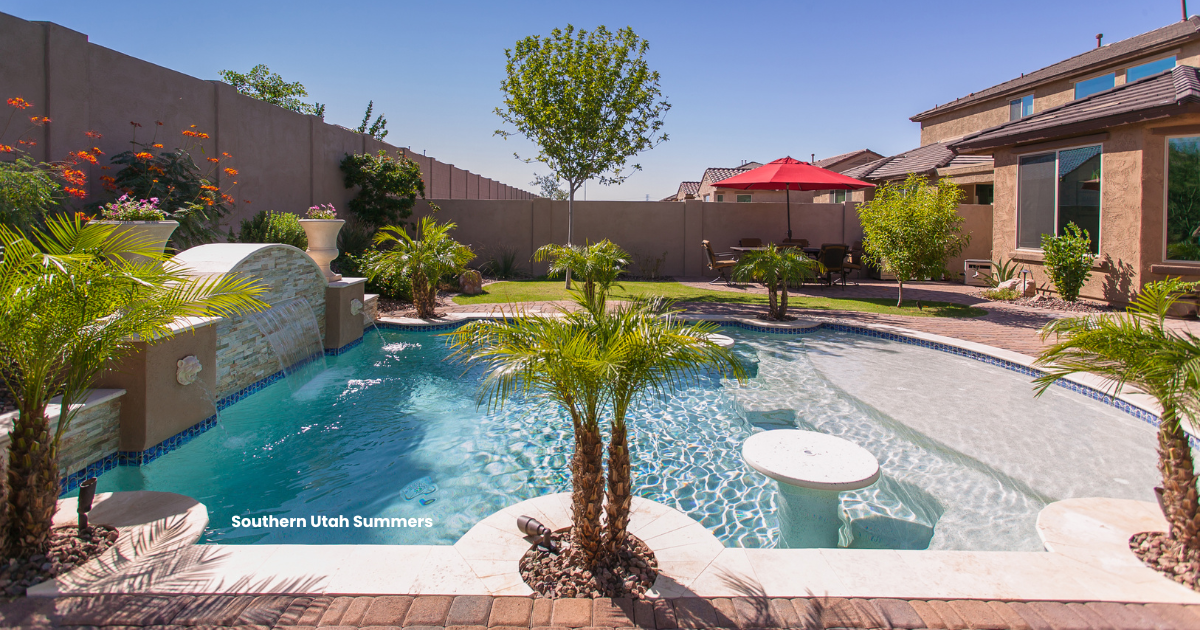
Every summer, we get a version of the same phone call. A homeowner went on vacation, got busy with work, or figured the pool could handle itself for a couple of weeks. Now it's green, maybe black, and they want to know what it's going to take to fix it. The answer is almost always more time and money than they expect, and more than they would have spent if they'd kept up with maintenance in the first place. This isn't a scare tactic. It's a straightforward look at what neglect actually costs in our climate, told through a scenario that plays out dozens of times every summer across St. George, Hurricane, and Washington City. What regular maintenance actually costs. For context, here's what that same pool costs to maintain properly through the summer — the version where none of this happens. Regular maintenance $50 Average cost per week for a professionally serviced pool in southern Utah, including chemicals and labor. Over a 14-week summer: roughly $700 total. ✗ One remediation $600+ Average cost of a single algae remediation after two weeks of neglect in peak summer. Plus 4–5 days without swimming. Plus the stress. The math isn't complicated. But beyond the dollar figure, there's something harder to put a price on: you miss swimming days. In a climate where the pool is genuinely usable for eight or nine months of the year, that matters! Why southern Utah punishes neglect faster than anywhere else A pool in a moderate climate might take three or four weeks of neglect to turn visibly green. In St. George in July, it can happen in five to seven days. Here's why: We sit above 2,700 feet. Higher elevation means stronger UV radiation, which destroys chlorine significantly faster than at sea level. A pool that holds a safe chlorine level for five days in April may lose it in two days in July. Algae thrives in warm water. A southern Utah pool in July can reach 88–92°F without a chiller. That's near-ideal algae growing conditions, around the clock. More swimmers mean more sunscreen, sweat, and organic material. These raise phosphate levels, which feed algae and consume chlorine rapidly. When water evaporates quickly in the desert heat, it leaves calcium behind. This scales tile and surfaces, making them rougher and rough surfaces are where algae anchor and hide. What prevention actually looks like Avoiding a summer remediation doesn't require much… it just requires consistency. The homeowners who never have a crisis are almost always doing the same few things: Testing water chemistry twice a week from June through August, not once a week Adding chlorine on a consistent schedule rather than waiting until levels test low Using a stabilizer (cyanuric acid) to protect chlorine from UV burn-off Not skipping service before or after a vacation (that's when most neglect windows open) Scheduling a professional service at least twice a month in summer even when DIY-maintaining the rest of the time When to call before it gets worse If your water is starting to look hazy or slightly green, don't wait. The difference between catching it at "hazy" versus "visibly green" can be hundreds of dollars and several swimming days. A same-week service call at the first sign of trouble is almost always cheaper than a full remediation a week later. We offer a Complimentary Pool Analysis! So if you're not sure whether you have a problem, that's a low-stakes way to find out. Call today (435) 421-9670 or schedule online here.
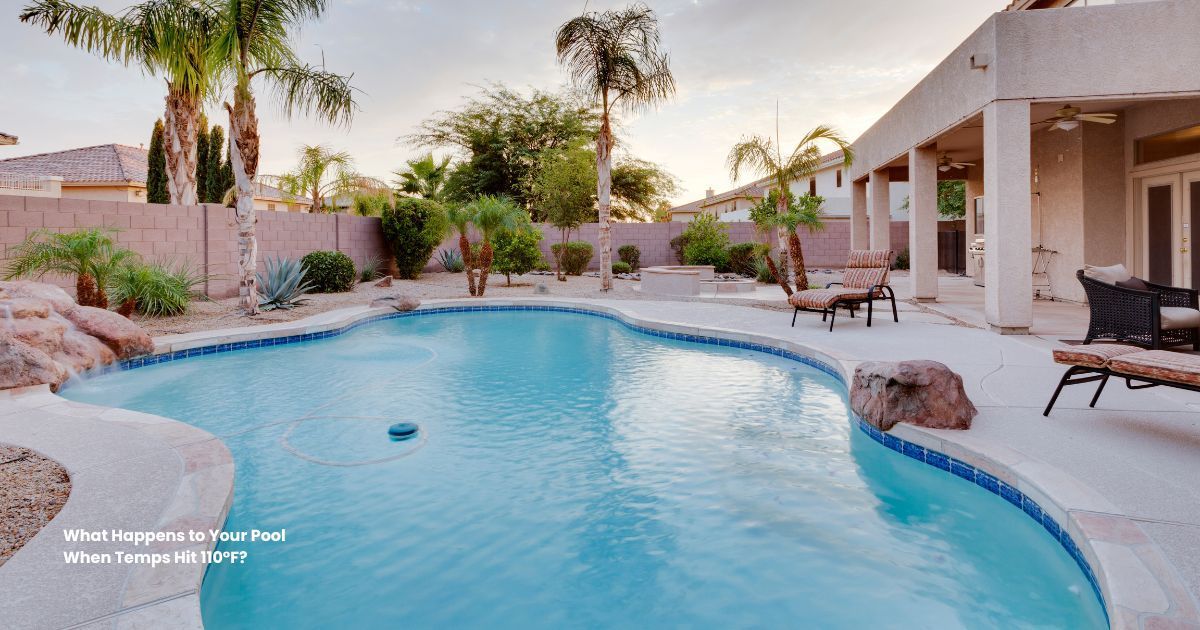
What Happens to Your Southern Utah Pool When Temps Hit 110°F? Most pool care advice was written for Phoenix. Or Florida. Or somewhere reasonable. St. George, Ivins, and Hurricane sit at a different level… we're talking 110°F ambient air, intense high-desert UV, and months where your pool water can push 90°F on its own! That combination does things to pool chemistry and equipment that most homeowners don't expect until it's too late. Here's a straightforward breakdown of the five biggest things that go wrong when the heat peaks and the simple actions that keep your pool swimmable all summer long. The five things that go wrong in extreme heat Chlorine burns off fast- UV and heat destroy free chlorine at an accelerated rate. A pool that needed 3 ppm on Monday may test near zero by Wednesday, with no visible sign anything is wrong. Evaporation spikes- A St. George pool can lose 1.5–2 inches of water per week in peak summer. As water evaporates, the minerals and chemicals left behind become concentrated and unbalanced. Algae blooms overnight- Warm water, low chlorine, and high phosphate loads (from sunscreen and sweat) are the perfect recipe. An algae bloom can go from invisible to visibly green in 24–36 hours. Equipment runs harder- Pumps and filters work overtime in hot weather. Seals can crack, O-rings dry out, and motors overheat , especially if the equipment is in direct sun without shade. pH climbs with temperature- Warmer water naturally drives pH upward. High pH makes chlorine far less effective! Even when the chlorine level looks fine on a test strip. This is one of the most common reasons pools go green despite regular chemical additions. These problems happen in every hot climate. But southern Utah layers on two extra challenges that most pool guides don't address: Elevation + UV intensity. St. George sits between 2,700 and 3,000 feet. Higher elevation means less atmospheric filtering of UV radiation. UV is the primary driver of chlorine photodegradation so your chlorine is burning off faster here than it would at sea level, even at the same temperature. Hard water. Washington County water has some of the highest calcium hardness levels in the state. When water evaporates rapidly in summer, it leaves calcium behind. Over a hot season, you can develop heavy scaling on surfaces and tile, clogged filters, and cloudy water that won't clear no matter how much you shock it. "A pool that tested fine on Friday can be a green swamp by Sunday if the heat spikes and the chlorine runs out." Your summer heat prep checklist None of this is catastrophic if you stay ahead of it. Here's what we recommend for local pool owners heading into the hot stretch: Chemistry Test water chemistry at least twice a week from June through August. Not once a week like the off-season. Keep free chlorine between 3–5 ppm (higher end than the standard 1–3 ppm to account for rapid burn-off). Add a stabilizer (cyanuric acid) to protect chlorine from UV — target 40–80 ppm. If yours is already high, partial drain and refill may help. Check pH every test; target 7.2–7.4 and expect it to drift upward in heat. Test calcium hardness monthly and use a sequestering agent to prevent scale when levels are high Water level & evaporation Top off the pool weekly. Evaporation in peak summer can drop water levels enough to cavitate your pump. Consider a liquid solar cover or a physical cover when the pool isn't in use; both dramatically cut evaporation losses! If you use a physical cover, remove it during cooler parts of the day to prevent heat buildup in the water. Equipment Run your pump and filter during the coolest hours (early morning and late evening) to reduce motor heat stress and lower electricity costs. Shade your equipment pad if possible, a simple roof overhang or shade sail can significantly extend pump and filter life. Inspect O-rings and seals at the start of summer; the heat and UV from the previous year dry them out. Clean your filter more frequently. *Homeowners who do a great job maintaining chemistry in spring let things slide when temperatures peak in July… ironically, the exact time when the pool needs more attention, not less. Set a twice-weekly reminder on your phone for chemical checks from June 15 through around August 31. When to call in a professional If you're testing twice a week and still struggling to hold chlorine, or if your water is persistently cloudy despite correct chemistry, the issue is likely one of a few things: a high cyanuric acid level that's "locking up" your chlorine, a phosphate load that's feeding algae growth faster than chlorine can kill it, or a filtration problem. All three require a proper water analysis to diagnose… test strips won't get there. We offer complimentary water testing with any service call. A 10-minute test at the start of summer can prevent a $400–$600 algae cleanup later on. Give us a call or text 435-421-9670 to schedule a complimentary pool analysis!

Keep your kids safe and swimming all spring and summer long with these Southern Utah Pool Safety Tips! Living in Southern Utah means sunshine, warm weather, and a lot of time spent around the pool. Whether it’s your backyard oasis or a neighborhood pool, safety should always come first—especially when kids are involved. As a local pool service company, we’ve seen firsthand how quickly small issues can turn into dangerous situations. The good news? A few simple habits can make a huge difference. 1. Never Leave Kids Unattended, Not Even for a Minute! This might sound obvious, but it’s the most important rule. Drowning is often silent and can happen in seconds. Always have a designated adult watching the pool , especially during parties or family gatherings. 2. Install Barriers and Fencing In Southern Utah, many homes have open backyard layouts, which can be risky for young kids. A proper pool safety setup should include: A self-closing, self-latching gate A fence at least 4 feet high or a reliable pool cover (ask us about or recommendations!) Locked access points when the pool isn’t in use This is one of the most effective ways to prevent accidents. 3. Be Extra Careful in Southern Utah Conditions Our environment adds some unique risks: Extreme heat can lead to dehydration quickly Wind and dust can reduce visibility in the water Uncovered pools can collect debris, making hazards harder to see Make it a habit to: Keep kids hydrated Check water clarity before swimming Remove debris regularly 4. Maintain Proper Water Chemistry This is one a lot of people overlook. Unbalanced water can cause: Skin and eye irritation Bacteria growth Cloudy water (which makes it harder to see swimmers underwater) Keeping your pool clean and clear isn’t just about looks, it’s about safety. Final Thoughts Pools are one of the best parts of living in Southern Utah, but they come with real responsibility. The goal isn’t to make things stressful... it’s to create a safe environment where your family can relax and enjoy the water with confidence! Want Help Keeping Your Pool Safe and Clean? At Heatwave Pools & Spas, we don’t just clean pools! If you’d like a complimentary professional pool analysis , we’ll check your water, equipment, and overall safety so you can have peace of mind. Reach out today to get scheduled.