
Removing Sediment That Clogs Circulation Systems
Pool cleaning in Washington for debris removal and surface scrubbing in high-dust desert environments
Desert dust and pollen accumulate on pool surfaces faster in Washington than in cooler climates, layering contaminants that block skimmer flow and strain filter media if left unaddressed. Heatwave Pools & Spas provides professional pool cleaning that removes both visible debris and circulation-blocking sediment, addressing surface contamination and equipment stress in a single service visit. Open and close season transitions bring particularly heavy pollen and dust loads that settle on water surfaces and sink into circulation paths.
Cleaning involves removing surface debris, brushing walls and floor to dislodge embedded particles, cleaning skimmer baskets, inspecting circulation flow, and verifying filter function. This approach handles both what you see floating and what accumulates in circulation systems where it reduces flow rates and increases pump workload.
Request a detailed estimate based on your pool's current condition and debris accumulation patterns.
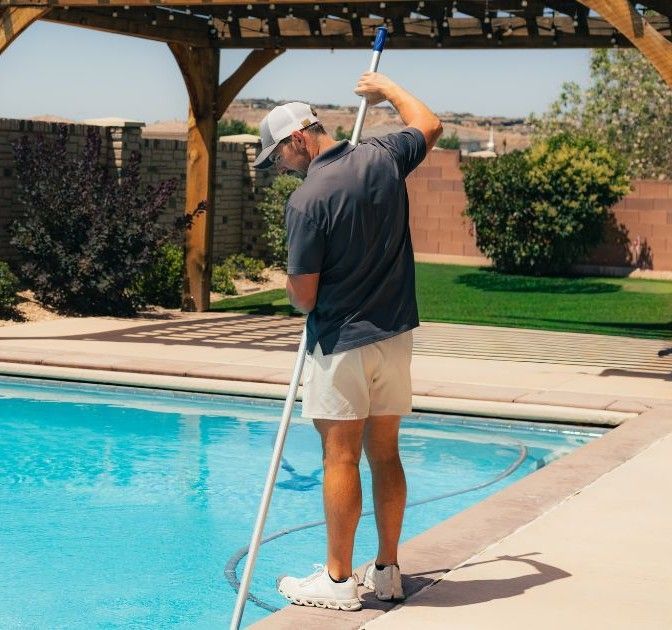
How Professional Cleaning Addresses Sediment Problems
Technicians scrub plaster or finish surfaces with brushes designed for your specific pool material, loosening mineral deposits and algae that cling despite chemical treatment. Skimmer baskets are emptied and inspected for cracks that allow debris past the first filtration stage, and circulation flow is verified at jets to confirm that sediment has not restricted water movement. The goal is to remove contamination before it either embeds into surfaces or clogs filtration pathways.
Once cleaning is complete, water circulates with stronger jet flow, skimmers pull surface debris more efficiently, and filter pressure readings drop as sediment loads decrease. Walls and floors appear lighter in color as embedded dirt and algae are brushed away, and the pool requires less frequent backwashing or cartridge rinsing between service visits.
Cleaning inspections conducted by Heatwave Pools & Spas often reveal equipment issues such as deteriorating pump seals, cracked skimmer baskets, or filter media that has reached replacement age. Addressing these problems early reduces the likelihood of emergency repairs during peak swimming season when parts availability and scheduling become constrained.
Answers to Frequent Service Questions
Pool cleaning in Southern Utah addresses both visible contamination and the hidden sediment that stresses circulation equipment.
What distinguishes professional pool cleaning from routine skimming?
Professional cleaning includes wall and floor brushing to remove embedded contaminants, skimmer basket inspection and cleaning, circulation flow verification, and filter function checks in addition to surface debris removal.
How often should pools in Washington require professional cleaning?
Most residential pools benefit from professional cleaning every two to four weeks depending on surrounding landscaping, wind exposure, and whether the property is near open desert areas that generate higher dust loads.
What sediment problems does cleaning prevent in desert climates?
Regular cleaning prevents fine dust particles from embedding into plaster surfaces where they discolor finishes, and stops organic debris from decomposing in circulation lines where it feeds algae growth and clogs filter media.
Why does debris accumulate faster during season transitions in Washington County?
Spring pollen releases and fall leaf drops combine with persistent desert dust to create heavy surface contamination layers that overwhelm skimmer baskets and reduce circulation efficiency if not removed promptly.
What equipment issues are commonly found during cleaning inspections?
Technicians frequently identify cracked skimmer baskets allowing debris bypass, pump basket lids with worn o-rings causing air leaks, and filter pressure gauges stuck at inaccurate readings that prevent proper maintenance timing.
Heatwave Pools & Spas schedules professional cleaning visits that address both surface appearance and circulation health, using inspection findings to recommend equipment repairs before failures occur. Schedule a cleaning service to restore circulation flow and surface clarity.