
Desert Heat Breaks Equipment Faster Here
Pool Equipment Repair in Washington for Pumps and Heaters Damaged by Extreme Sun and Mineral Buildup
A pump seizes in July heat, a heater fails to ignite after months of dormancy, or a filter housing cracks from constant UV exposure. Heatwave Pools & Spas handles pool equipment repair across Washington, St. George, and Hurricane, addressing failures driven by desert conditions that accelerate wear on motors, seals, and electronic controls. You deal with equipment that runs hotter, works harder against mineral-laden water, and faces sun intensity that degrades plastic housings and rubber gaskets faster than equipment in moderate climates.
Pool equipment repair involves diagnosing why a component stopped working—whether a capacitor failed from heat stress, a shaft seal degraded from mineral deposits, or a control board corroded from humidity fluctuations inside enclosures. Washington County's mineral-heavy water creates scale that binds impellers, clogs pressure switches, and shortens the lifespan of heating elements, while summer temperatures above 100 degrees push motors and electronic components beyond their rated thermal limits.
Schedule an equipment evaluation to identify specific failure causes and replacement options.
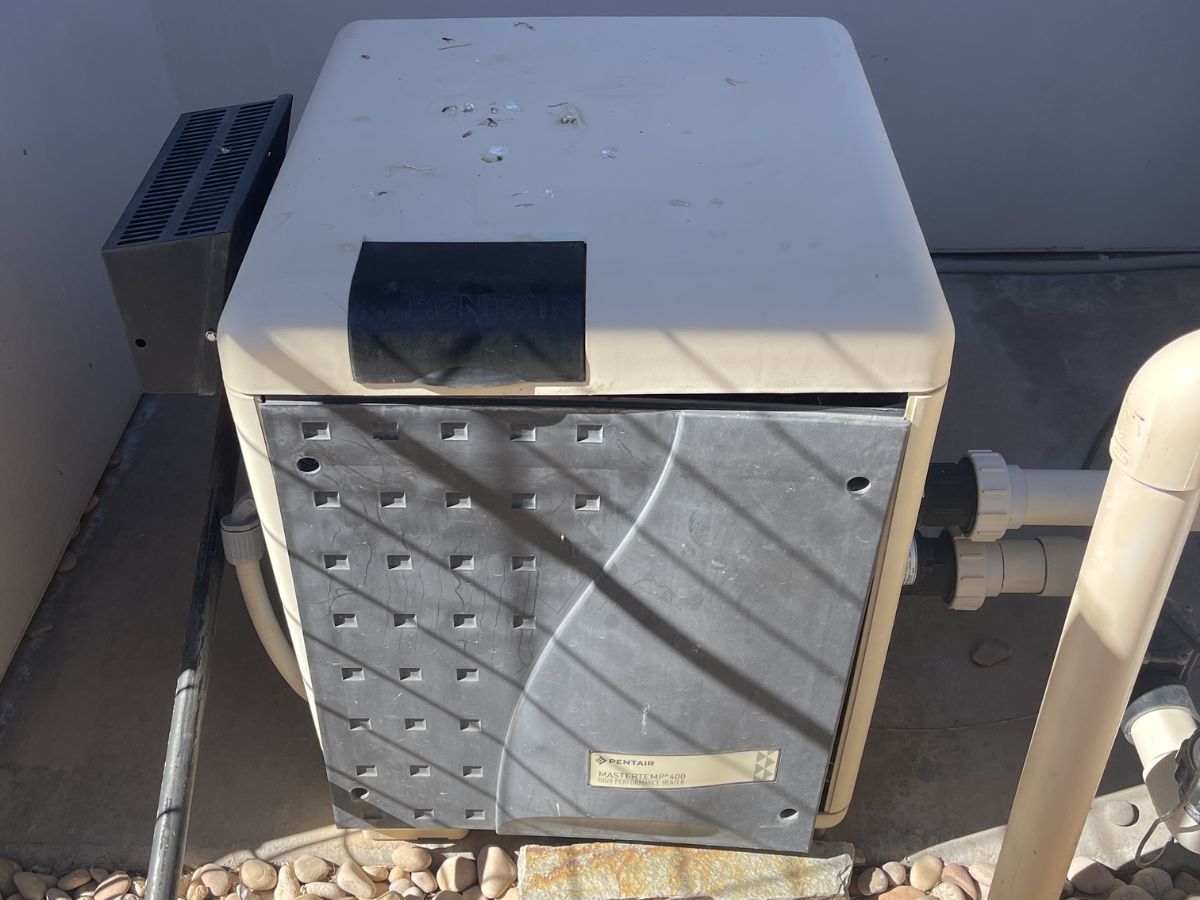
What Happens When Equipment Is Repaired Correctly
Equipment repair starts with isolating the failure point—testing voltage to rule out electrical supply issues, checking for debris or scale inside pump housings, and verifying that pressure sensors and flow switches function within spec. Many repair situations in this region involve clearing mineral buildup from impellers and valve bodies, replacing UV-degraded o-rings and gaskets, or swapping heat-damaged capacitors that no longer provide the startup boost motors need.
Once repaired, you notice the system runs quieter, pressure readings stabilize within the normal range, and water circulates at the flow rate needed for effective filtration and heating. Pumps that previously cycled on and off unpredictably hold steady operation, heaters reach and maintain set temperatures without error codes, and filters build pressure gradually rather than spiking from restricted flow. Heatwave Pools & Spas uses OEM or equivalent-grade parts matched to the original equipment specifications, ensuring compatibility with existing plumbing and electrical configurations.
Some failures require component replacement rather than repair—motors with burnt windings, cracked pump housings, or control boards with extensive corrosion. The decision to repair or replace depends on the age of the equipment, availability of parts, and whether the underlying cause of failure has been addressed, such as correcting voltage issues or improving ventilation around enclosed equipment.
What Pool Owners in Washington Usually Ask
Questions about equipment repair often focus on whether a component can be saved, what caused the failure, and how to prevent recurrence.
How do you determine whether equipment should be repaired or replaced?
Repair makes sense when the failure involves a single component like a seal, capacitor, or valve, and the rest of the assembly remains structurally sound. Replacement is warranted when motors show winding damage, housings are cracked, or multiple components have failed from age-related wear.
What causes pool pumps to fail more frequently in Washington?
Desert heat raises motor operating temperatures, and mineral-heavy water accelerates seal degradation and impeller corrosion. Pumps that run during the hottest part of the day face the highest thermal stress, and those without adequate ventilation around the motor housing overheat faster.
Why do heaters stop working after the pool has been closed for winter?
Control boards and gas valves can corrode from humidity inside the heater cabinet during dormant months, and ignition components may fail to spark if debris or mineral residue has accumulated. Seasonal maintenance before opening helps identify these issues before they prevent startup.
What equipment repairs are most common in this area?
Capacitor replacement on pump motors, impeller cleaning or replacement from scale buildup, and control board replacement on heaters and automation systems. UV-damaged check valves and pressure switches also fail frequently from constant sun exposure.
How long does a typical equipment repair take?
Most repairs complete within the same visit if parts are in stock—capacitors, seals, and valves typically take under an hour to replace and test. Component replacements requiring special-order parts may involve a return visit once the part arrives.
Heatwave Pools & Spas provides diagnostic assessments that identify the root cause of equipment failure and recommend solutions based on the specific operating conditions at your property. Request a repair consultation to address equipment issues before they interrupt pool operation.