
Stop Water Loss Before Damage Spreads
Leak Detection & Leak Fixes in Washington for pools losing water through hidden plumbing failures
A pool that drops an inch overnight points to a leak somewhere in the system, and the longer it runs undetected, the more water you lose and the more pressure builds on surrounding soil and hardscape. Heatwave Pools & Spas Maintenance performs leak detection and underground plumbing repairs in Washington, locating failures in buried lines and skimmers before minor seepage turns into foundation undermining or deck settling. You'll know exactly where the problem is and what it takes to seal it.
The process begins with pressure testing individual plumbing zones to isolate whether the leak originates in the return lines, suction lines, or skimmer throat, then acoustic or dye testing narrows the location to a specific section of pipe or fitting. Once identified, underground leaks are excavated and repaired with permanent couplings or full line replacement, and failing skimmers are removed and replaced with new housings that seal against the shell without relying on degraded gaskets or cracked plastic.
Schedule a pressure test to pinpoint the source of ongoing water loss.
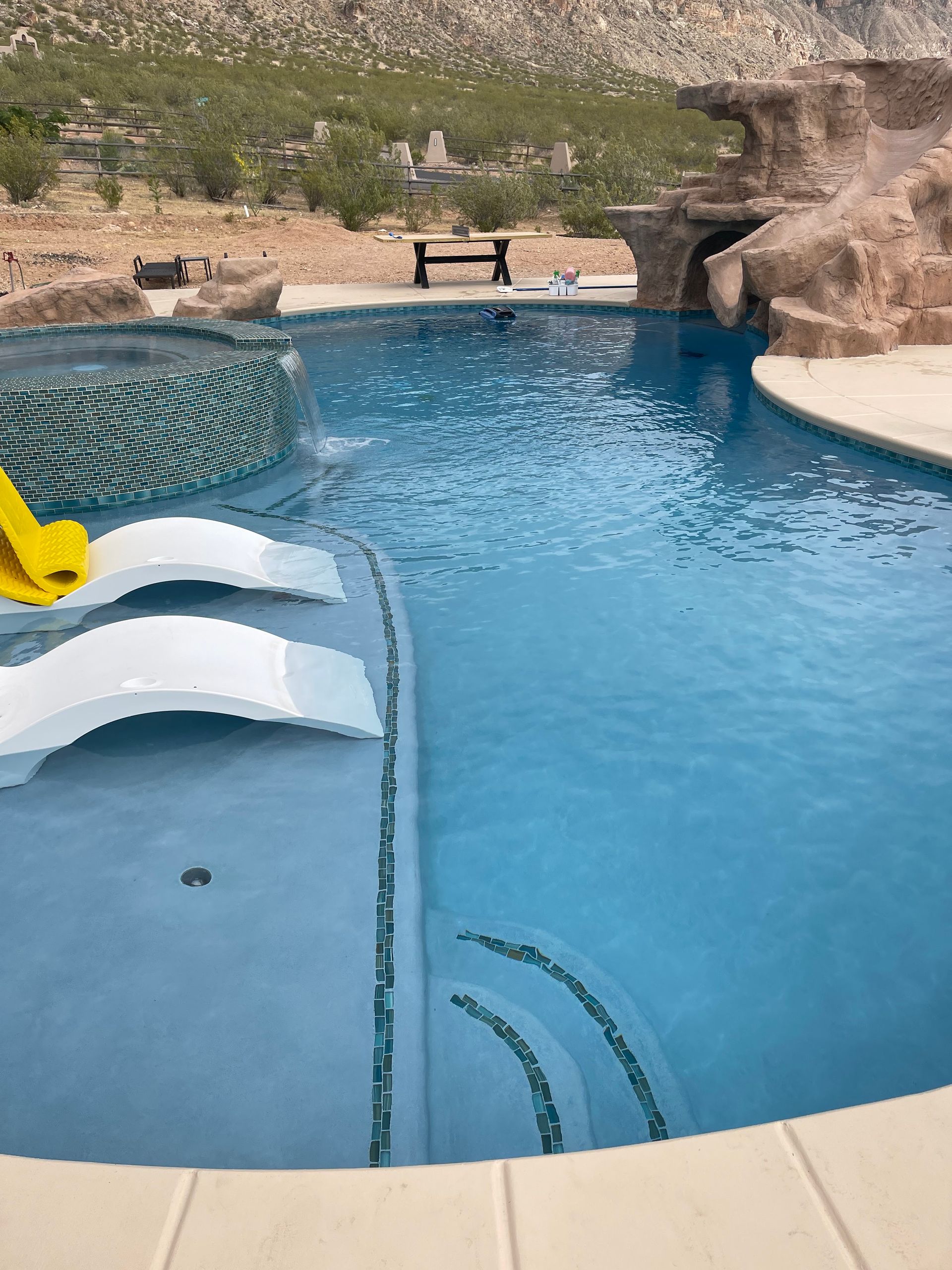
What Proper Leak Repair Requires
Effective underground plumbing repair requires excavation to expose the damaged section, cutting out the compromised pipe, and installing a new coupling or length of PVC that restores full pressure without introducing weak points. Skimmer replacement involves cutting the old unit free from the pool wall, cleaning the shell opening, and bonding a new skimmer assembly with structural adhesive and stainless hardware that holds under hydrostatic pressure.
After the repair, the system holds pressure without drop-off when retested, the water level stabilizes, and you stop adding makeup water daily. Heatwave Pools & Spas Maintenance confirms the fix with a follow-up pressure test before backfilling or refilling, so there's no guesswork about whether the leak is actually sealed.
Leak detection covers all zones of the circulation system, but it does not address surface cracks in the shell itself or issues with tile grout, which require different repair methods. The work isolates plumbing failures and restores the integrity of buried lines and fittings that can't be visually inspected without excavation.
What Property Owners Ask About the Work
Pool owners in Washington often ask how the detection process works and what happens once a leak is found, especially when the problem is buried under decking or landscaping.
How is the leak location identified?
Pressure testing isolates which line is losing pressure, then dye testing or electronic listening equipment traces the exact spot where water escapes, often within a few feet of the failure point.
What happens during an underground plumbing repair?
The deck or soil above the leak is excavated, the damaged pipe section is cut out, and a new coupling or pipe length is glued in place and pressure-tested before the area is backfilled and restored.
When should a skimmer be replaced instead of patched?
If the skimmer body is cracked, the gasket seat is eroded, or the faceplate no longer sits flush against the pool wall, replacement is the only repair that prevents ongoing leakage around the throat.
How long does it take for a repair to cure before refilling?
PVC solvent welds typically cure within a few hours under dry conditions, but full pressure testing happens before any backfill or water is added to confirm the bond.
What will you notice after the leak is fixed?
The water level stays constant between filter cycles, the pump holds prime without drawing air, and you stop seeing wet spots or settling around the pool perimeter.
Heatwave Pools & Spas Maintenance uses systematic testing to locate leaks that visual inspection can't find, then completes the repair with methods that restore the plumbing system to full pressure. Arrange a leak detection appointment to identify the source and scope the repair.